The food and beverage industry rarely changes because of one major trend.
Instead, consumer expectations evolve across multiple areas at the same time.
Health and wellness influence what shoppers buy. Social media changes how they discover products. New technologies make product information easier to access. Economic pressure increases expectations around value. Emerging brands introduce new categories faster than traditional retail cycles once allowed.
As retailers prepare for 2027, these forces are beginning to converge.
Consumers increasingly want products that taste good, fit their lifestyles, offer recognizable value, and provide benefits they can easily understand.
For retailers, identifying these changes early can help create stronger assortments. For brands, they can reveal where the next opportunities for innovation and growth may emerge.
And for distributors, understanding both sides is becoming increasingly important.
At LCX Distributors, our mission is to deliver better-for-you, high-demand products efficiently and at scale—helping brands grow and retailers win.
Here are some of the food and beverage trends retailers should be watching as 2027 approaches.
1. Functional Nutrition Will Continue Moving Mainstream
One of the clearest shifts happening across food and beverage is the growth of functional nutrition.
Consumers increasingly want products that do more than satisfy hunger or thirst.
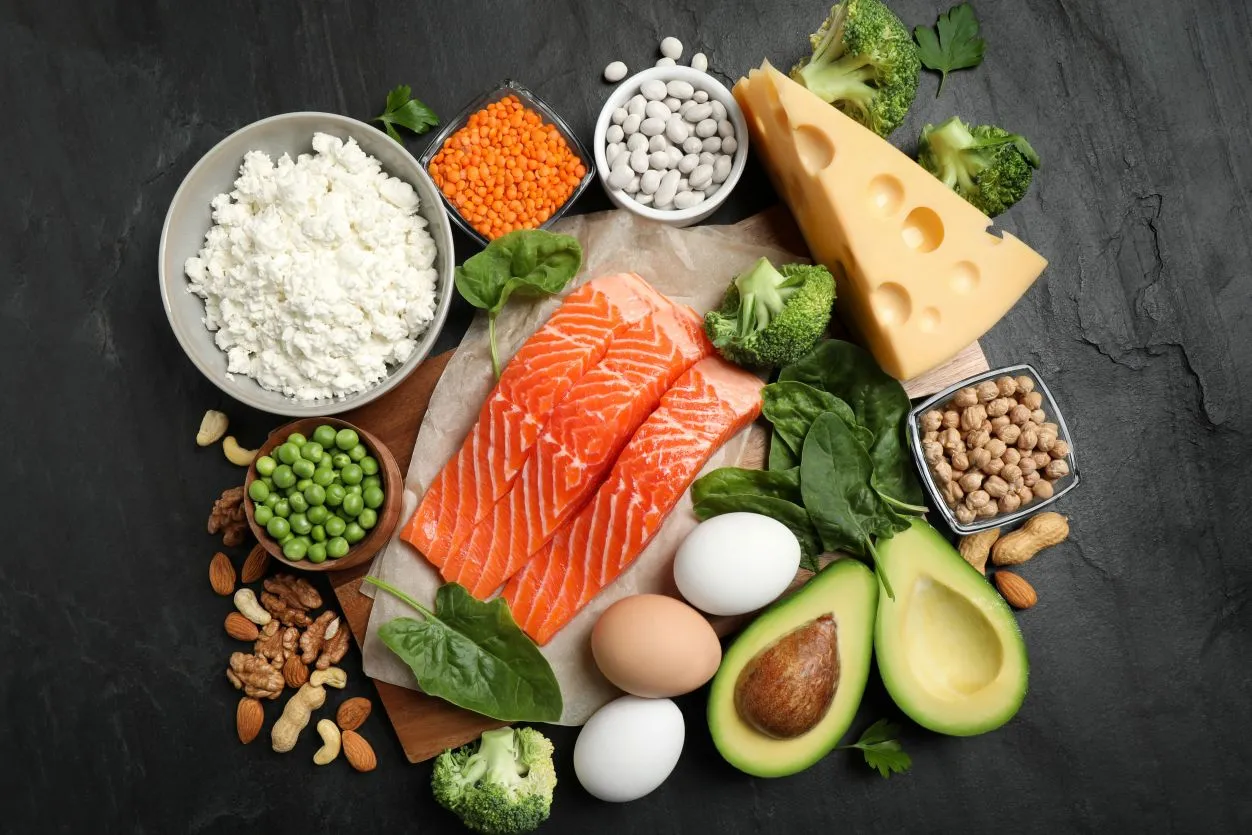
They may look for products associated with hydration, protein, fiber, digestive wellness, energy, nutrient density, or other recognizable benefits.
This does not mean traditional food categories are disappearing.
It means functionality is increasingly being layered into them.
Snacks can contain protein. Beverages can combine hydration with additional nutritional attributes. Breakfast products can emphasize fiber. Everyday foods can incorporate ingredients associated with specific wellness priorities.
NielsenIQ identified protein, fiber, gut health, metabolic nutrition, ingredient transparency, and multifunctional products among the prominent themes influencing food and beverage innovation in 2026.
As these products become more familiar to mainstream shoppers, retailers should expect functionality to influence more categories throughout the store.
Our analysis of functional foods and beverages explores why this shift represents a significant opportunity for retailers and emerging brands.
2. Protein Will Evolve Rather Than Disappear
Protein has been one of the most visible food and beverage trends in recent years, and there is little indication that consumer interest will suddenly disappear.
What may change is how protein is positioned.
Consumers are increasingly encountering protein outside traditional sports nutrition.
Protein-enhanced snacks, beverages, breakfast products, dairy products, desserts, and convenience foods are helping move the category toward everyday consumption.
The opportunity for 2027 may therefore be less about simply adding more protein and more about making protein relevant to different consumer occasions.
A busy professional may look for a convenient protein-rich breakfast. A parent may want a snack that combines nutrition with taste. An active consumer may seek post-workout nutrition. Another shopper may simply want foods that help them feel satisfied longer.
That creates opportunities for brands capable of connecting functionality with real consumer routines.
Retailers should evaluate not only how much protein a product contains, but why the product deserves a place in the shopper’s day.
3. Fiber Could Become a Bigger Consumer Conversation
Fiber may be positioned to become one of the next major nutritional attributes consumers actively seek.
NielsenIQ reports growing consumer interest in increasing fiber intake, creating opportunities for brands to introduce fiber into familiar food and beverage formats.
This matters because fiber can connect several areas of consumer interest, including digestive wellness, satiety, and overall nutritional quality.
Retailers may increasingly encounter fiber-forward:
- Snacks
- Breakfast products
- Beverages
- Bakery products
- Yogurts
- Pantry staples
- Convenience foods
The strongest opportunities will likely come from products that integrate fiber naturally into familiar consumption occasions rather than treating it as a specialized nutritional category.
Our guide to high-protein and high-fiber products looks more closely at how these nutritional priorities are influencing the modern wellness consumer.
4. Better-for-You Will Become More Personalized
One of the biggest challenges in wellness retail is that “healthy” no longer has one universal definition.
Different consumers prioritize different things.
One shopper may want more protein. Another may focus on reduced sugar. Another may prioritize plant-based ingredients. Someone else may look for fiber, clean labels, recognizable ingredients, or convenient portion sizes.
The market is therefore moving from “better-for-you” toward something closer to “better-for-me.”
For retailers, this creates an assortment challenge.
Trying to satisfy every possible nutritional preference could result in unnecessary complexity.
The stronger strategy is to understand the retailer’s core consumer and identify the wellness priorities most relevant to that audience.
Product curation becomes increasingly important in this environment.
Retailers do not necessarily need more products.
They need the right products.
5. GLP-1 Consumers Will Influence Product Innovation
The growth of GLP-1 medications is already influencing conversations across the food industry.
Consumers using these medications may eat smaller portions and become more intentional about nutritional quality, increasing interest in protein, fiber, nutrient density, and other functional attributes.
NielsenIQ has identified GLP-1 consumers as an influential segment within the broader movement toward more personalized health and wellness decisions.
For retailers, however, the long-term impact may extend beyond consumers taking GLP-1 medications.
The broader cultural conversation around metabolic health, portion sizes, protein, fiber, and nutritional density could influence product development across mainstream categories.
Brands capable of delivering satisfying products with clear nutritional value may therefore find opportunities beyond the GLP-1 consumer itself.
6. Taste Will Remain the Ultimate Test
Wellness claims can generate trial.
Taste drives repeat purchases.
As functional products become more competitive, consumers will become less willing to compromise on the overall experience.
A product cannot rely indefinitely on being high-protein, high-fiber, low-sugar, plant-based, or functional if consumers do not enjoy eating or drinking it.
This creates an important standard for retailers evaluating emerging products.
The best products will increasingly combine:
- Strong taste
- Relevant functionality
- Convenience
- Attractive packaging
- Clear positioning
- Appropriate pricing
- Reliable availability
Better-for-you should not mean sacrificing enjoyment.
The brands that understand this can move wellness products beyond occasional trial and into regular consumer routines.
7. Ingredient Transparency Will Become More Important
Consumers have unprecedented access to information.
A shopper can pick up a product in a store and immediately search its ingredients, compare alternatives, read reviews, research nutritional claims, or use an application to evaluate the label.
This increased transparency changes how brands communicate.
Complicated claims and unclear positioning can create friction.
Simple communication becomes increasingly valuable.
Consumers want to understand what a product contains, what it does, and why it might be relevant to them.
For emerging brands, packaging and digital information therefore need to work together.
The physical package may generate the first impression, but online research can influence the final decision.
8. AI Will Change How Consumers Discover Products
Search behavior is changing.
Consumers are no longer discovering products exclusively through traditional search engines or retailer websites.
AI assistants and generative search experiences increasingly allow consumers to ask detailed questions such as:
“What are good high-protein snacks with low sugar?”
“What beverages support hydration without too much sugar?”
“What are healthier snack options for work?”
“What food brands are popular with Hispanic consumers?”
These queries create a different discovery environment.
Brands need clear, structured, credible information that search engines and AI systems can understand.
Retailers and distributors also benefit from publishing useful content that answers real consumer and industry questions rather than simply promoting products.
For LCX Distributors, this is particularly relevant because our role sits between consumer trends, brands, retailers, and distribution.
Providing useful information about those connections helps build a stronger knowledge ecosystem around the categories we serve.
9. Social Media Will Continue Creating Retail Demand
Products can become desirable before they become widely distributed.
TikTok, Instagram, YouTube, creators, podcasts, and online communities can introduce consumers to emerging food and beverage brands almost instantly.
This can create significant opportunities.
It can also create operational pressure.
A brand that suddenly becomes popular may need to increase production, inventory, warehousing, and distribution much faster than originally planned.
Retailers may also see consumers asking for products that are not yet available through traditional distribution networks.
The brands that benefit most from digital momentum will be those prepared to convert attention into availability.
That requires retail readiness.
Our guide on how emerging brands can win retail distribution explains why consumer demand must be supported by inventory, logistics, pricing, and scalable distribution.
10. Hispanic Consumers Will Continue Shaping U.S. Food Culture
The U.S. Hispanic market represents an increasingly important force in food and beverage.
But the opportunity extends beyond selling traditionally Hispanic products to Hispanic consumers.
Flavors, ingredients, brands, and food traditions originating throughout Latin America increasingly influence mainstream American food culture.
This creates opportunities for brands with strong cultural authenticity and for retailers looking to create more relevant assortments.
It also creates opportunities for established Latin American brands seeking expansion into the United States.
Successful expansion, however, requires more than exporting inventory.
Brands need to understand retail channels, pricing, packaging, consumer expectations, distribution, and logistics within the target market.
For distributors with experience connecting Latin American products with U.S. retail opportunities, this creates an important strategic role.
11. Value Will Mean More Than Low Price
Economic pressure will continue influencing consumer decisions.
But value and low price are not necessarily the same thing.
Consumers may perceive value in a product that provides convenience, better ingredients, functional benefits, superior taste, larger portions, stronger quality, or a more satisfying overall experience.
This is particularly important for better-for-you products, which can sometimes command higher prices.
A premium product needs to justify its premium.
Brands should be able to communicate why the product deserves its price.
Retailers should evaluate whether consumers can easily understand that value.
The strongest products will balance price with a compelling reason to purchase.
12. Retailers Will Need Smarter Product Assortments
More innovation creates more choice.
More choice does not automatically create better retail.
Retailers have limited shelf space and must continuously determine which products deserve it.
As food and beverage innovation accelerates, product curation becomes more strategically important.
Retailers should evaluate emerging products based on questions such as:
- Does the product address a meaningful consumer need?
- Is the category growing or evolving?
- Does the brand have a clear point of difference?
- Can consumers understand the product quickly?
- Is there evidence of demand?
- Can supply remain reliable?
- Does the product fit the retailer’s customer profile?
- Can the distributor support growth if demand increases?
These questions help separate interesting products from scalable retail opportunities.
13. Distribution Will Become Part of the Growth Strategy
As brands expand across channels and markets, distribution becomes increasingly strategic.
The distributor is not simply responsible for moving products.
Distribution connects manufacturing, inventory, warehousing, logistics, retailers, and ultimately consumers.
For emerging brands, the right distribution infrastructure can help transform regional demand into broader retail expansion.
For retailers, strong distribution partners can provide access to new products while simplifying sourcing and replenishment.
Brands interested in expanding their footprint can explore distribution solutions for suppliers, while retailers can learn more about how LCX helps source and deliver high-demand products for retail.
What Food and Beverage Trends Will Matter Most in 2027?
The most important trend may not be a single ingredient, category, or product.
It is the growing expectation that products deliver more value to increasingly informed consumers.
Shoppers want taste.
They want convenience.
They want products relevant to their lifestyles.
Many want nutritional functionality, transparency, and recognizable benefits.
They also expect products to be available when and where they want them.
That combination will shape the next generation of food and beverage retail.
For brands, success will require understanding consumer demand while building the infrastructure necessary to scale.
For retailers, success will require identifying products that balance innovation with genuine repeat-purchase potential.
For distributors, success will depend on connecting both sides efficiently.
Preparing Today for the Retail Opportunities of Tomorrow
The food and beverage industry will continue changing rapidly in 2027.
Some trends will accelerate. Others will evolve. New products and categories will emerge.
But the fundamental opportunity remains consistent: understand what consumers increasingly want and build the systems capable of delivering it.
At LCX Distributors, we focus on that connection.
Our mission is to deliver better-for-you, high-demand products efficiently and at scale—helping brands grow and retailers win.
By combining product discovery, retail understanding, distribution, and access to broader logistics capabilities, LCX Distributors helps connect promising products with the markets where they can grow.
Because identifying tomorrow’s consumer trends is valuable.
Turning those trends into scalable retail opportunities is where growth begins.
Connect with LCX Distributors to explore opportunities for your brand or retail business.