Consumers increasingly expect more from the products they buy. Taste, convenience, and price still matter, but a growing number of shoppers are also asking a new question: What does this product do for me?
That question is helping transform the food and beverage industry.
Functional foods and beverages—products positioned around benefits such as protein, hydration, digestive wellness, energy, fiber, or other nutritional attributes—are moving from specialized wellness aisles into mainstream retail.
For retailers, this shift represents more than another consumer trend. It is an opportunity to rethink product assortment around changing shopper priorities. For emerging brands, it creates new possibilities to reach consumers looking for products that combine convenience, taste, and nutritional purpose.
For distributors, it creates an increasingly important role: identifying promising products, connecting them with the right retail channels, and creating the infrastructure necessary to move from consumer trend to scalable retail growth.
At LCX Distributors, our mission is to deliver better-for-you, high-demand products efficiently and at scale—helping brands grow and retailers win.
What Are Functional Foods and Beverages?
Functional foods and beverages are generally understood as products consumers choose not only for basic nutrition, refreshment, or enjoyment, but also for additional attributes or perceived benefits.
The category can include products centered around:
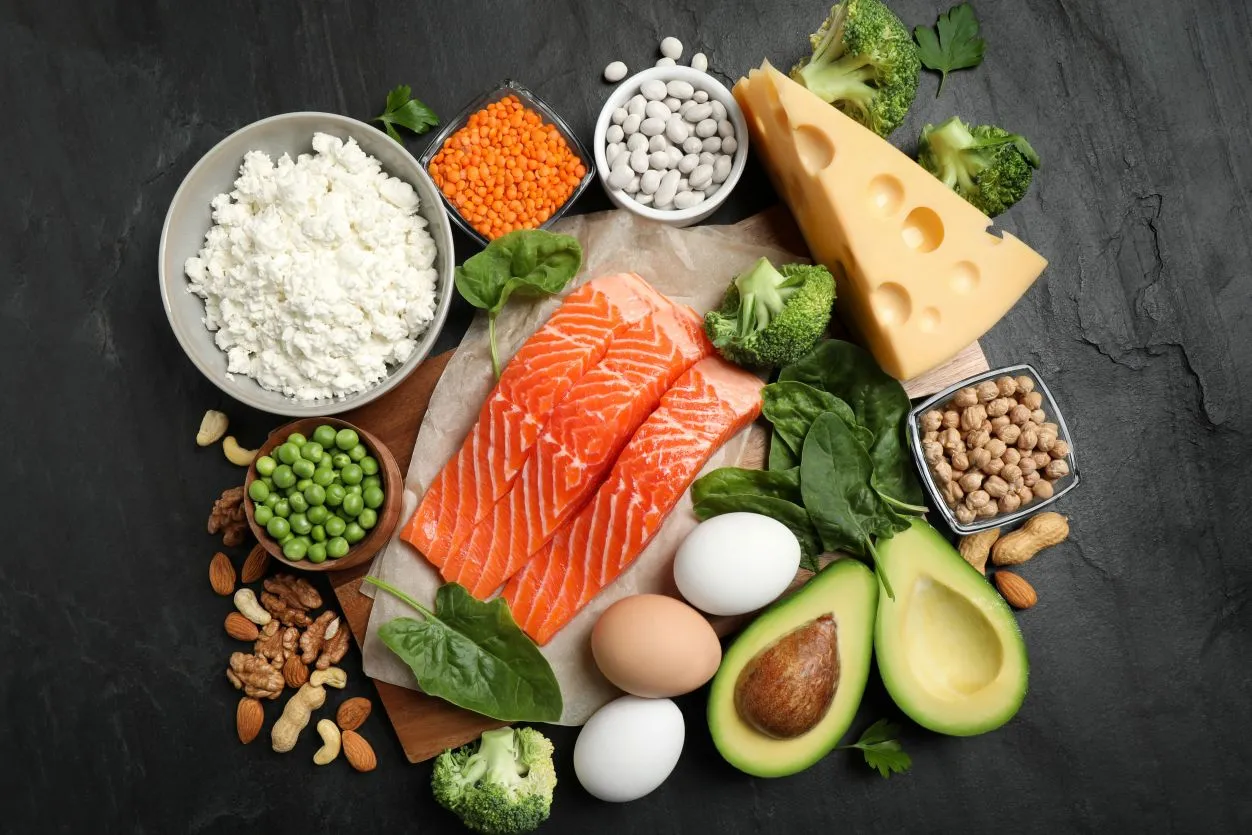
- Protein
- Fiber
- Hydration
- Probiotics and prebiotics
- Energy
- Reduced sugar
- Nutrient density
- Plant-based ingredients
- Digestive wellness
- Other specialized nutritional attributes
Importantly, functional products are no longer limited to supplements or traditional health-food categories.
Protein is appearing in beverages and snacks. Fiber is becoming more visible across packaged foods. Hydration has expanded beyond traditional sports drinks. Products positioned around digestive wellness are reaching increasingly broad audiences.
This expansion creates opportunities across multiple retail categories rather than one isolated wellness segment.
According to NielsenIQ, protein, fiber, metabolic nutrition, gut-forward formulations, ingredient transparency, and products offering multiple functional attributes were prominent areas of food and beverage innovation in 2026.
For retailers, the implication is significant: functional nutrition is becoming part of mainstream product discovery.
Why Functional Products Matter to Retailers
Retail shelves are competitive.
Every product needs to justify the space it occupies through a combination of demand, differentiation, margin potential, repeat purchases, and strategic relevance to the retailer’s customers.
Functional products can offer retailers another way to differentiate their assortment.
Instead of competing exclusively around traditional categories, retailers can respond to specific consumer needs and occasions.
A shopper may no longer simply look for a beverage. They may look for hydration after exercise, protein during a busy morning, or a low-sugar option that fits their lifestyle.
Research from FMI – The Food Industry Association shows that shoppers increasingly seek beverages based on functional benefits including hydration, energy, protein, digestive health, and relaxation.
This changes how retailers and brands can think about the shelf.
The opportunity is increasingly about the consumer need a product serves—not simply the conventional category where it belongs.
Wellness Is Reshaping the Grocery Basket
Health and wellness have become increasingly important forces in grocery.
McKinsey & Company identifies wellness as an important driver shaping grocery demand as retailers adapt assortments to increasingly specific consumer expectations.
This creates an important distinction for retailers.
A better-for-you strategy cannot simply mean adding a few products labeled “healthy.”
Successful assortment decisions require understanding what consumers are actually looking for, which benefits are relevant to specific shopper groups, and which products have the potential to generate repeat purchases.
That makes product curation increasingly valuable.
For retailers looking to strengthen their assortments, LCX Distributors provides food distribution for retailers focused on better-for-you, high-demand, premium, and specialty products.
Protein and Fiber Are Moving Into the Mainstream
Two of the clearest functional nutrition themes are protein and fiber.
Consumers have long understood protein, but product innovation is expanding it into categories that historically were not centered around protein. Meanwhile, fiber is receiving renewed attention as consumers become more interested in digestive health, satiety, and overall nutritional quality.
Mintel has similarly identified evolving nutritional priorities and more intentional approaches to food and beverage consumption among the trends shaping the market.
For retailers, these changes create opportunities across snacks, beverages, breakfast products, pantry items, convenience foods, and other categories.
However, simply carrying products with trending ingredients is not enough.
Taste, price, positioning, packaging, availability, and consumer understanding remain critical.
The GLP-1 Effect Is Influencing Product Innovation
Another development affecting the food industry is the growing influence of GLP-1 medications on consumer behavior and product development.
This does not mean retailers should build an entire assortment around a medical trend.
It does mean that broader conversations around portion size, protein, fiber, nutrient density, and metabolic wellness are influencing how manufacturers think about product innovation.
NielsenIQ has identified GLP-1 users as an influential consumer segment accelerating interest in attributes including protein, fiber, probiotics, nutrient-rich foods, and simpler ingredients.
The broader retail lesson is important: consumer definitions of value are evolving.
Value can mean affordability, but it can also mean receiving greater nutritional relevance, convenience, functionality, or quality from each purchase.
Discovery Is Becoming Digital
Another reason functional products represent an important retail opportunity is the way consumers discover them.
Product discovery increasingly happens before shoppers enter a store.
Consumers encounter new products through social media, creators, ecommerce platforms, digital advertising, reviews, recipes, fitness communities, and wellness content.
A product can therefore generate demand digitally before achieving widespread physical distribution.
For emerging brands, this creates both an opportunity and a challenge.
A viral product can attract consumer attention quickly, but awareness does not automatically create a successful retail business.
The product still needs inventory. It needs warehousing. It needs reliable replenishment. It may require international shipping, customs handling, refrigerated logistics, regulatory compliance, and retailer-specific execution.
This is where distribution becomes part of the growth strategy rather than simply the final step in the supply chain.
From Consumer Trend to Retail Shelf
A product can have strong branding and significant social engagement and still struggle at retail.
Why?
Because retail growth requires execution.
Emerging food and beverage brands must be prepared to answer practical questions:
- Can production scale with demand?
- Can inventory remain consistently available?
- Can the product reach multiple retail locations efficiently?
- Does packaging meet market and retailer requirements?
- Can the supply chain support geographic expansion?
- Is pricing sustainable across the distribution structure?
- Can replenishment keep pace with sales?
- Does the product fit the retailer’s shopper profile?
The ability to answer these questions can determine whether a promising product remains a niche success or develops into a scalable brand.
Brands ready to expand can learn more about how to distribute their food and beverage products through LCX Distributors.
Why Distribution Strategy Matters
Modern distribution should do more than move cases from a warehouse to a store.
The distributor sits at an important intersection between brands, logistics, retailers, and consumers.
For emerging brands, the right distribution partner can provide access to markets that would otherwise be difficult to reach.
For retailers, a strong distributor can simplify sourcing while identifying products aligned with changing consumer preferences.
LCX Distributors combines distribution expertise with access to a broader logistics ecosystem, helping products move efficiently as brands expand into new channels and markets.
That infrastructure matters when a product begins to scale.
Growth creates complexity. Distribution must be capable of growing with it.
How Retailers Should Evaluate Functional Products
Not every trending product will become a long-term retail success.
Retailers therefore need to distinguish between temporary hype and meaningful consumer demand.
Five questions can help evaluate the opportunity:
- Does the product address a recognizable consumer need? A clear purpose makes it easier for shoppers to understand why the product belongs in their routine.
- Is the benefit easy for shoppers to understand? Complex positioning can weaken an otherwise innovative product.
- Does the product deliver on taste and overall experience? Functionality may generate trial, but the product experience helps generate repeat purchases.
- Can the supplier and distributor maintain reliable availability? Consumer demand has limited value when a product is repeatedly out of stock.
- Does the product complement the retailer’s assortment and customer profile? The right product must reach the right consumer through the right retail environment.
The strongest products often combine several advantages: relevant functionality, attractive branding, strong taste, clear positioning, reliable supply, and a price consumers can justify.
Distribution partners can help retailers evaluate these opportunities by combining market knowledge with operational capabilities.
What Is the Future of Functional Food and Beverage Retail?
The next stage of functional food and beverage growth is likely to become more sophisticated.
Consumers will not necessarily buy a product simply because it contains protein, fiber, probiotics, or another popular ingredient.
They will increasingly expect products to combine credible benefits with taste, convenience, quality, transparency, and value.
That raises the standard for brands.
It also creates opportunities for retailers that curate their assortments carefully rather than chasing every trend.
Functional products should therefore be viewed as part of a larger transformation toward more intentional consumption.
Consumers increasingly want products that fit specific lifestyles, occasions, nutritional priorities, and personal preferences.
The retailers that understand those needs can build stronger assortments. The brands that solve them can create stronger consumer relationships. And distributors that understand both sides can help connect demand with supply.
Turning Better Products Into Scalable Growth
The growth of functional foods and beverages reflects something larger happening across the consumer marketplace.
People increasingly expect the products they purchase to deliver more.
For brands, that creates opportunities to innovate. For retailers, it creates opportunities to differentiate. But neither opportunity can reach its full potential without the infrastructure required to scale.
LCX Distributors helps connect better-for-you and high-demand products with retail opportunities across Mexico, Central America, and the U.S. Hispanic market, supported by distribution, logistics, warehousing, market strategy, and retail expertise.
Our mission is simple: deliver better-for-you, high-demand products efficiently and at scale—helping brands grow and retailers win.
Ready to explore the next opportunity? Connect with LCX Distributors to learn how we can help your brand or retail business grow.